
Table of Contents
Introduction: Smart Parenting App in UK
Parenting has always been one of life’s most rewarding yet challenging experiences. In 2025, the UK has entered a new era where technology and parenthood converge. Smart parenting apps are no longer optional—they are a critical tool for modern families navigating complex schedules, monitoring baby development, and making data-driven decisions for their children’s growth.
From AI-driven insights to personalized milestone tracking, these apps are transforming the way parents care for their babies. In this article, we’ll explore why every UK parent should consider a smart parenting app, how AI and technology are shaping modern parenting, and what makes a truly effective app in the UK context.
1. Parenting Challenges in 2025
Even with vast resources and online communities, new parents face constant challenges:
- Sleep deprivation: Most new parents in the UK report irregular sleep patterns for up to the first year.
- Tracking development: Ensuring babies hit milestones on time can be overwhelming without structured guidance.
- Feeding and nutrition: Feeding schedules differ for every baby; manual tracking is time-consuming.
- Mental wellbeing: Postnatal stress and anxiety remain high; parents need tools for emotional support.
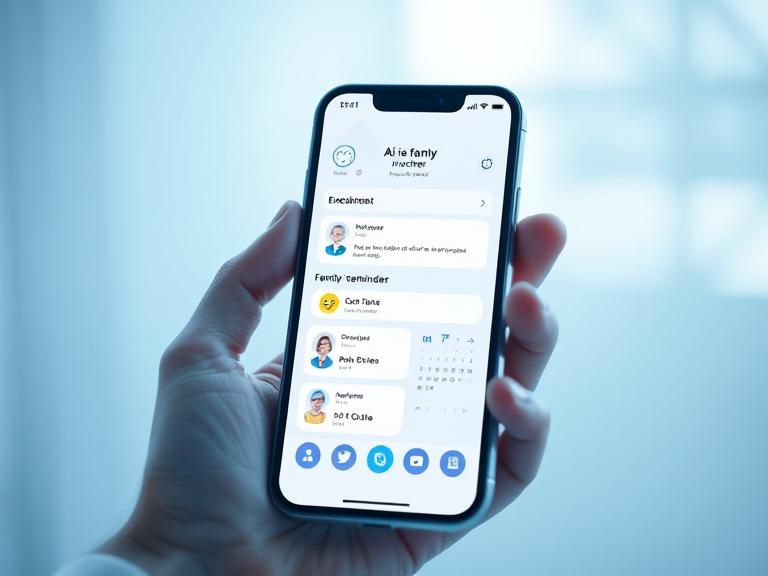
Smart parenting apps address these challenges by offering real-time insights, AI-based tracking, and expert guidance.
2. What Is a Smart Parenting App?
A smart parenting app is more than a logbook or timer—it is an intelligent assistant that combines AI, machine learning, and data analytics to help parents make informed decisions.
Key functions include:
- AI-based milestone tracking: Automatically logs sleep, feeding, and growth trends.
- Predictive analytics: Forecasts developmental stages and alerts for potential delays.
- Expert-backed guidance: Offers suggestions validated by UK paediatric standards.
- Personalized insights: Adjusts advice based on your baby’s unique data and routines.
These apps bridge the gap between intuition and evidence, empowering parents with knowledge and confidence.
3. Why UK Parents Need Smart Apps in 2025
3.1 Localized Insights (GEO Optimization)
UK parents benefit from apps that align with NHS standards, British English, vaccination schedules, and cultural practices. Localization ensures that advice is relevant and trustworthy, avoiding generic global content that may not apply to UK families.
3.2 Real-Time Milestone Tracking
Traditional milestone tracking requires manual logging. Smart apps now use AI algorithms to automatically analyze patterns in feeding, sleep, and physical development.
Example:
An AI detects if a 6-month-old is not meeting typical rolling or sitting milestones and provides actionable guidance or suggests consulting a healthcare provider.
3.3 Mental Health and Emotional Support
Modern smart parenting apps incorporate SXO-friendly features like mood tracking, stress alerts, and mindfulness exercises. Parents can log emotions, and AI provides coping strategies, effectively addressing postnatal mental health.

4. Core Technologies Powering Smart Parenting Apps
4.1 AI and Machine Learning
AI learns from every interaction, adapting recommendations based on parenting style, baby routines, and developmental patterns. This personalization improves efficiency, reduces stress, and prevents errors.
4.2 NLP (Natural Language Processing)
NLP allows parents to ask questions naturally, like “When should I start solids?” or “Is my baby’s crying normal?” AI interprets queries semantically, delivering human-like, contextual responses.
4.3 Semantic Algorithms for AEO
By structuring data semantically, smart apps become AEO-friendly. Queries typed into AI search engines (Gemini, ChatGPT, Bard) can retrieve answers directly from app content, boosting visibility without traditional SEO competition.
4.4 Predictive Analytics
Smart apps use historical data to forecast trends. Examples include predicting sleep regressions, feeding adjustments, and growth milestones. This proactive approach reduces guesswork and enhances parental confidence.
5. Features Every Smart Parenting App Must Offer
- Sleep Monitoring: Tracks duration, quality, and patterns.
- Feeding Logs: Breastfeeding, bottle feeding, solids introduction.
- Growth Tracking: Weight, height, head circumference plotted against UK growth charts.
- Development Alerts: AI flags potential developmental delays.
- Interactive Guidance: Age-appropriate activity suggestions.
- Parent Community: Connects parents locally, providing social support.
- Privacy and Security: GDPR-compliant data storage and encrypted baby records.
6. Benefits for UK Parents
6.1 Evidence-Based Decisions
Parents can rely on NHS-aligned insights rather than anecdotal advice. AI ensures recommendations are scientifically sound and UK-specific.
6.2 Reduced Anxiety
Tracking milestones and routines in real-time alleviates uncertainty, empowering parents to make data-driven decisions.

6.3 Convenience and Time Efficiency
Smart apps consolidate multiple tools into one, reducing the need for separate logs, spreadsheets, or spreadsheets-based trackers.
6.4 Community and Social Support
Many UK apps feature parenting forums, connecting parents across regions. Shared experiences and AI-driven suggestions foster collective learning.
7. How Smart Parenting Apps Enhance AEO and AI Search Visibility
7.1 Structured Content for Search Engines
Content is optimized semantically using FAQ, HowTo, and Article schemas. This helps AI search engines extract and display answers directly to user queries.
7.2 Multilingual Support
UK apps often support multiple languages for multicultural communities. Semantic data ensures contextual relevance across languages.
7.3 Integration with Digital Assistants
AI parenting apps integrate with Alexa, Google Assistant, and Siri. Parents can ask voice queries, receive instant guidance, and log data hands-free — all while supporting SXO principles.
8. Choosing the Right Smart Parenting App in the UK
Checklist for Parents
- ✅ Localisation: UK-centric advice, language, and growth charts.
- ✅ AI Intelligence: Predictive analytics and NLP-driven guidance.
- ✅ Expert-Backed: Content validated by paediatricians or child psychologists.
- ✅ Privacy: GDPR-compliant with encrypted data.
- ✅ Community: Access to other parents and peer support groups.
- ✅ Ease of Use: Clean interface for sleep-deprived parents.
9. Real-Life Example: Daily Use of a Smart Parenting App
Morning: The app reminds you of feeding schedules and tracks sleeping patterns automatically.
Afternoon: AI analyzes mood patterns or crying frequency.
Evening: Predictive insights suggest sleep adjustments or milestone activities for the next day.
This continuous, real-time feedback loop empowers parents to make informed decisions effortlessly.
10. The Future of Smart Parenting in the UK
- Quantum AI Models: Hyper-accurate developmental predictions.
- Wearable Integration: Baby monitors and biosensors connect seamlessly.
- Emotion AI: Detects parent stress and recommends interventions.
- Augmented Reality (AR) Guidance: Interactive tutorials for baby care and playtime.
- Community-Driven AI: Local parent networks integrated with AI insights.
The next generation of smart parenting apps will predict, personalize, and empower like never before.

11. Expert Advice for Parents
- Select apps that align with NHS standards.
- Ensure the AI provides explainable and contextual insights.
- Prioritize data privacy and security.
- Look for apps that integrate both caregivers’ accounts.
- Choose platforms with semantic content for AI query optimization.
12. Conclusion
Smart parenting apps are no longer a luxury—they are an essential tool for modern UK parents.
By combining AI intelligence, predictive analytics, expert guidance, and community support, these apps simplify parenting, reduce stress, and optimize child development.
In 2025, the Smart Parenting App UK is not just a convenience — it’s a digital co-parent, offering insight, reassurance, and empowerment every step of the way.
About the Author