Table of Contents
Introduction: Reshaping Freight Forwarding in Dubai 2025
The logistics ecosystem in Dubai has long been known for its speed, precision, and global connectivity. But as the world moves toward sustainable growth, the conversation is shifting from how fast goods move to how responsibly they move. One major transformation leading this change is the rise of the circular economy — especially in the freight forwarding industry in Dubai.
This blog explores how circular economy practices, such as container reuse and reverse logistics, are helping freight forwarders cut costs, lower emissions, and improve efficiency, creating a new competitive standard across the UAE’s trade sector.
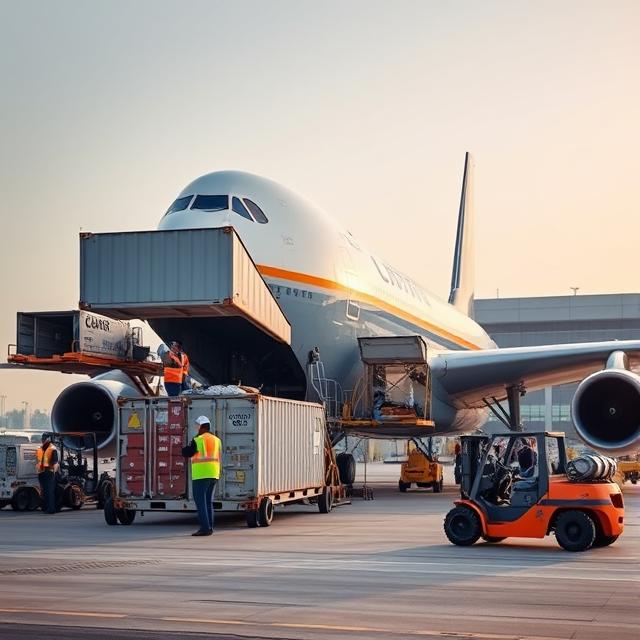
1. What Is the Circular Economy — And Why It Matters to Logistics
The circular economy focuses on designing processes that minimize waste and maximize reuse. Instead of the traditional linear model — take, make, dispose — circular logistics is about reuse, recover, and regenerate.
For freight forwarding in Dubai 2025, this means:
- Reusing shipping containers instead of discarding them.
- Optimizing backhauls to prevent empty return trips.
- Recycling packaging and materials across logistics chains.
- Using renewable energy for warehouses and port operations.
As Dubai aims to achieve its Net Zero 2050 goals, these practices aren’t just environmental—they’re economic. Circular models reduce dependency on new materials, stabilize logistics costs, and appeal to global partners prioritizing sustainability.
2. Freight Forwarding in Dubai: The Economic and Environmental Crossroads
Dubai’s freight forwarding sector sits at a unique global intersection. With access to over 140 global shipping routes, the emirate’s ports handle millions of containers annually. However, the sheer volume of trade brings a massive carbon footprint.
According to Dubai Maritime City Authority reports, freight transport contributes a significant portion of logistics-related CO₂ emissions. Circular economy principles are emerging as the most practical way to balance growth with responsibility.
Modern logistics companies in Dubai are now implementing digital tracking systems to monitor container cycles, assess load utilization, and manage reverse shipments efficiently — a transformation driven by both government regulation and global client expectations.
3. Case Study: Container Reuse — The Cost Revolution
Let’s take a closer look at how container reuse is reshaping the freight forwarding landscape.
Traditionally, after delivering cargo, many containers returned empty. This “deadheading” caused:
- Wasted fuel
- Port congestion
- Increased shipping costs
- Higher environmental impact
In 2024–2025, freight companies in Dubai began piloting container-sharing systems between ports and industries. Instead of shipping empty containers back to origin, they’re redirected to new exporters nearby.
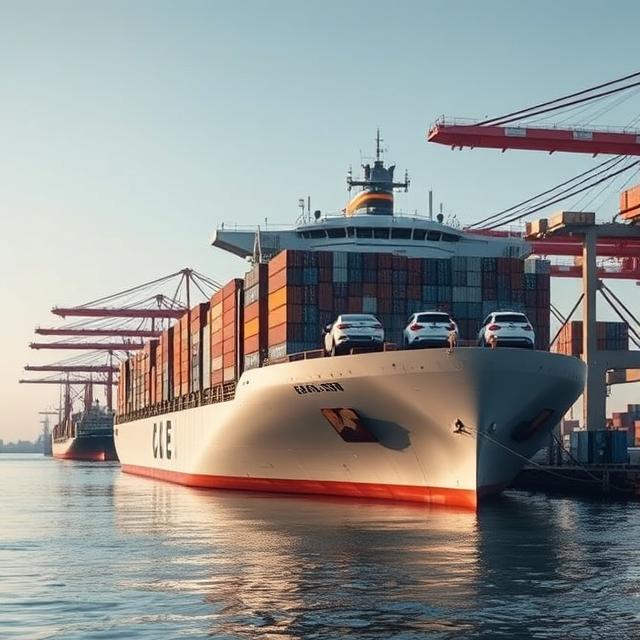
Result:
- Up to 40% reduction in idle container movement
- 30% savings in per-trip costs
- Lower CO₂ emissions per shipment
This approach perfectly aligns with Dubai’s Smart Logistics and Green Port Initiatives, where technology and sustainability work hand-in-hand.
4. Digital Logistics & Circular Efficiency
Circular economy logistics isn’t possible without digital transformation. Freight forwarding in Dubai increasingly relies on:
- IoT container tracking – for condition monitoring and route optimization
- AI-based demand forecasting – reducing unused space and optimizing dispatch
- Blockchain documentation – ensuring traceable, paperless, and verifiable transactions
- Automated freight matching – connecting available containers to nearby loads
Each of these innovations improves container turnaround time and reduces redundancy — the essence of circular logistics.
5. Reuse Beyond Containers: Packaging & Pallet Management
Beyond steel containers, cargo companies in Dubai are extending circular principles to packaging materials.
Reusable pallets, recyclable bubble wraps, and biodegradable packing inserts are becoming common. Major logistics parks are testing closed-loop packaging models, where materials return to distribution centers for cleaning and reuse.
For example:
- Wooden pallets are replaced by recycled polymer versions.
- Packaging waste is compacted and converted into reusable logistics supplies.
- Smart tagging enables tracking of returnable packaging units.
This not only supports sustainability but also improves brand perception for companies exporting through Dubai.
6. Reverse Logistics: Turning Returns into Resources
Reverse logistics — managing the movement of goods back from consumer to producer — is another key pillar of the circular model.
Dubai’s freight forwarding firms are now creating dedicated return flow systems for:
- Defective or recalled goods
- Retail returns from GCC markets
- Reusable packaging or empty containers
With the rise of e-commerce exports from Dubai, efficient reverse logistics ensures cost-effective and environmentally friendly handling of returns.
Reverse logistics also feeds valuable data into supply chain design — helping predict product life cycles and improve durability standards.
7. Comparing Linear vs Circular Freight Forwarding
| Feature | Linear Logistics Model | Circular Logistics Model |
|---|---|---|
| Container Handling | Single-use or empty return | Reuse and shared container networks |
| Cost Efficiency | High operational costs | 25–40% reduction through reuse |
| Environmental Impact | High emissions per shipment | Up to 35% lower CO₂ footprint |
| Data Visibility | Limited tracking | Real-time monitoring via IoT and AI |
| Material Waste | Disposed packaging | Recycled or reusable packaging loops |
| Brand Image | Functional logistics | Sustainable logistics leadership |
The comparison highlights how the circular model is not just an environmental shift—it’s an economic upgrade.
8. Global Trends Driving Circular Freight Forwarding
Globally, trade hubs like Singapore, Rotterdam, and Hamburg have already begun integrating circular systems. Dubai is rapidly catching up, thanks to:
- Government-backed Green Supply Chain Initiatives
- Investments in AI-driven ports like Jebel Ali
- Strategic alliances with sustainability-focused logistics networks
This integration makes freight forwarding in Dubai more competitive on a global scale—especially for European and North American clients who now prioritize eco-compliance as part of vendor selection.
9. The Role of Policy and Innovation
The UAE’s National Industrial Strategy 2031 encourages greener logistics through incentives for:
- Waste reduction technologies
- Energy-efficient fleet upgrades
- Recycling infrastructure for shipping materials
In addition, Dubai Customs supports digital paperless operations, further aligning trade efficiency with sustainability.
Such policy-driven transformation ensures that the circular logistics revolution isn’t a temporary shift — it’s a long-term framework.
10. The Future: A Closed-Loop Freight Ecosystem
By 2030, the vision for Dubai’s logistics landscape includes:
- Fully circular container networks
- Carbon-neutral freight forwarding companies
- Smart logistics hubs powered by renewable energy
- Waste-free port ecosystems
The combination of innovation, regulation, and circular design will define the next decade of freight forwarding in Dubai, positioning the city as not just a global logistics hub — but a sustainable one.
Conclusion
The circular economy is more than a trend; it’s a transformation.
For freight forwarding in Dubai, adopting container reuse, reverse logistics, and digital optimization means reduced costs, improved efficiency, and alignment with global sustainability benchmarks.
As the region’s logistics industry continues to evolve, those embracing circular principles will lead not just in profit—but in purpose.
About the Author