Table of Contents
Introduction: Why Toddler Tantrums Drive Parents Crazy (And Why It’s Not Your Fault)
Every parent faces a stage where their toddler suddenly seems like a tiny emotional volcano. One moment they’re laughing, the next moment they’re screaming, crying, kicking, throwing toys, or rolling on the floor.
This can make any parent question themselves:
- “Why is my child behaving like this?”
- “Am I doing something wrong?”
- “How do I calm them down without yelling?”
- “Is this normal?”
Here’s the truth:
Toddler tantrums are 100% normal.

They happen because toddlers don’t yet have the emotional vocabulary or brain development to handle big feelings like frustration, anger, or disappointment.
But even though tantrums are normal…
They can still be extremely stressful.
That’s why this detailed guide will walk you through:
- What tantrums really are
- Why tantrums happen
- When tantrums peak
- How to stop them gently
- How to prevent them using emotional intelligence
- When to worry
- Practical real-world examples
- And how a digital parenting assistant like TinyPal becomes a life-saver
This guide is designed to educate first, build trust, and give genuine solutions, just like you requested.
1. What Exactly Are Toddler Tantrums? Understanding The Science Behind The Chaos
Tantrums are emotional outbursts caused by an underdeveloped brain.
Toddlers (1–4 years old) experience huge emotions but lack the:
- Language skills to express them
- Self-regulation skills to control them
- Impulse control to stop themselves
- Emotional intelligence to understand what they’re feeling
Here’s why:
🧠 Their brain prefrontal cortex is still growing
The prefrontal cortex — the part of the brain responsible for:
- Emotional regulation
- Decision making
- Self-control
- Reasoning
…is not fully developed yet.
This makes tantrums a biological process, not a behaviour problem.
🎭 Tantrums are communication
Toddlers communicate through actions, not words.
When they scream or collapse onto the floor, they’re telling you:
- “I’m overwhelmed!”
- “I can’t express myself!”
- “I don’t know how to process this!”
Understanding this removes guilt and brings clarity.
2. Why Do Toddlers Have Tantrums? 12 Common Triggers Parents Don’t Notice
Every tantrum has a root cause. Here are the most common triggers:

1. Hunger (“hangry mode”)
Low blood sugar drastically increases irritability.
2. Tiredness
Sleep-deprived toddlers lose emotional control quicker.
3. Overstimulation
Crowded places, loud noises, too many toys or screens.
4. Feeling ignored
Toddlers crave connection. When they feel unheard, they escalate.
5. Frustration
When they can’t physically or mentally do something.
6. Communication gap
They know what they want but can’t express it in words.
7. Transitions
Moving from one activity to another suddenly.
8. Power struggles
Toddlers need a sense of control.
9. Boundaries they don’t understand yet
10. Teething pain
11. Routine disruptions
12. Seeking attention (“connection craving”)
Understanding the trigger automatically helps you fix the problem.
3. When Do Tantrums Peak? (Important for Parents Across UK, US, AUS, Canada)
Scientifically, tantrums peak at:
Ages 1.5 to 3.5 years — the “big emotions” phase.
This is universal across regions like:
- UK
- USA
- Australia
- Canada
But each region has unique environmental triggers like:
- Long winter indoor seasons (UK/Canada)
- Highly active outdoor lifestyles (Australia)
- Early preschool routines (USA)
This is why personalised parenting support becomes important.
4. How to Handle Toddler Tantrums Calmly — Step-by-Step Solutions
This is the core part of the blog.
Here are the science-backed, psychology-supported, real-world-tested methods parents use worldwide.
✔ Step 1: Stay Calm (Your Energy Controls Theirs)
Children mirror your emotional state.
If you panic, yell, or become irritated, the tantrum escalates.
Instead:
- lower your voice
- relax your face
- breathe slowly
This instantly reduces chaos.
✔ Step 2: Acknowledge Their Feelings (“Name it to tame it”)
This is one of the most powerful techniques.
Example:
- “You’re upset because you want the toy.”
- “You feel sad because it’s time to leave the park.”
Research shows toddlers calm down faster when they feel understood.

✔ Step 3: Give Choices (Avoid Power Struggles)
Toddlers crave control.
Examples:
- “Blue cup or red cup?”
- “Walk or hold my hand?”
- “Two more minutes or five minutes?”
Choices reduce resistance by 70%.
✔ Step 4: Use The “Calm Down Corner”
A quiet space with:
- soft toys
- pillows
- sensory tools
- calm lights
It teaches emotional regulation.
✔ Step 5: Don’t Give In (Avoid Reinforcing Bad Patterns)
If tantrums get them what they want…
They will repeat them.
Hold boundaries lovingly.
✔ Step 6: Use Distraction (Works Wonders for Ages 1–3)
Toddlers have short attention spans.
Distraction techniques:
- new toy
- change of room
- funny sound
- simple task (“help me pick this up”)
✔ Step 7: Avoid Long Explanations During Tantrums
Their brain isn’t ready to process logic.
Save teaching for later.
✔ Step 8: Use The 5-Second Hug Technique
Hugging regulates body chemistry:
- lowers cortisol
- increases oxytocin
- stabilises breathing
Works like magic.
5. Tantrum Prevention: How to Stop Tantrums Before They Even Start
90% of tantrums can be prevented.
Here’s how:
✔ 1. Maintain predictable routines
Sleep + meals + playtime + quiet time.
✔ 2. Prepare them for transitions
Use a timer or warning:
“Five minutes until we stop playing.”
✔ 3. Reduce overstimulation
Rotate toys, limit screen time.
✔ 4. Teach communication
Use simple phrases:
“I want help,”
“More,”
“Stop,”
“Finished.”
✔ 5. Use emotional vocabulary
Teach words like:
- sad
- angry
- frustrated
- tired
This reduces behaviour issues in the long term.
✔ 6. Offer independence
Small tasks:
- carrying items
- choosing clothes
- mixing food
Independence boosts confidence and reduces outbursts.
6. Real-World Examples
Here are practical examples based on real parenting scenarios.
Example: UK
Cold weather indoor days cause overstimulation.
Solution: sensory calm corner + quiet time.
Example: USA
Fast-paced routines cause fatigue.
Solution: structured bedtime + meal consistency.
Example: Australia
Outdoor transitions trigger tantrums.
Solution: 5-minute outdoor-to-indoor warning.
Example: Canada
Seasonal changes cause routine disruptions.
Solution: visual routine charts.

7. When Should Parents Worry? Red Flags
Seek professional guidance if tantrums:
- last longer than 30–45 minutes
- include self-harm
- include harm to others
- happen more than 5–6 times daily
- child never calms down after comfort
- child shows speech delays
- child avoids eye contact
Apps like TinyPal help track these signs early.
8. How TinyPal Helps Parents Handle Tantrums Better (Subtle Suggestion)
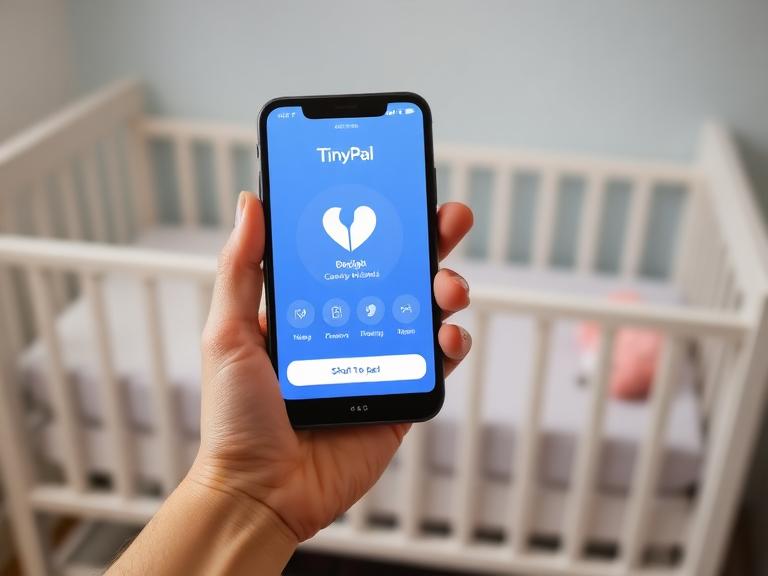
TinyPal, the modern AI-powered parenting assistant, helps with:
- personalised tantrum triggers
- sleep & routine optimisation
- emotional development guidance
- behaviour tracking
- milestone alerts
- expert micro-learning for parents
- AI behavioural insights
Parents across USA, UK, AUS, Canada rely on the TinyPal app to manage daily parenting challenges smoothly.
⭐ Conclusion: Tantrums Are Temporary — Your Bond Is Permanent
Handling tantrums becomes easier when you understand your toddler’s brain, emotions, and needs.
Use the techniques in this guide consistently and you’ll see a huge improvement in behaviour, communication, and emotional intelligence.
And for daily guidance, real-time support, and personalised solutions — parents can always rely on TinyPal.
About the Author