Table of Contents
Step-by-Step Guide (shipping cargo from Dubai): How Shipping Companies in Dubai Handle International Cargo
Dubai is a global logistics hub, connecting the Middle East, Asia, Europe, Africa, and the Americas. Whether you’re shipping commercial cargo, electronics, machinery, or personal goods, understanding the step-by-step shipping process is critical for cost management, timely delivery, and compliance.
In this guide, we cover every stage of shipping cargo from Dubai, including packaging, documentation, customs clearance, transport, and delivery. For trusted logistics support, companies like Nautical Gulf provide end-to-end solutions for air, sea, and land freight.
1. Understanding Freight Forwarders & Shipping Companies in Dubai
Shipping in Dubai involves multiple players: carriers, port authorities, customs, and freight forwarders.
- Freight Forwarders: They act as intermediaries, booking cargo space, handling documentation, and arranging customs clearance.
- Direct Carriers: Airlines or shipping lines that transport the cargo physically.
A company like Nautical Gulf specializes in freight forwarding, customs clearance, and international shipping, ensuring smooth end-to-end delivery. Services include:
- Air, sea, and road freight
- Container shipping (FCL, LCL)
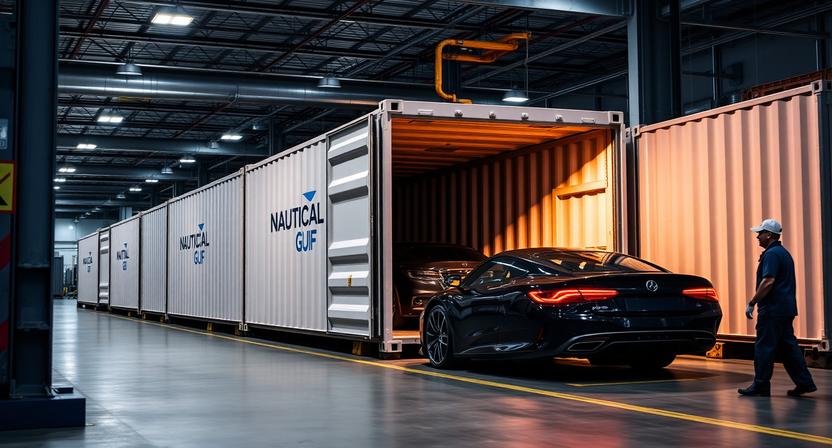
- Car shipping (RORO and container)
- Customs documentation and clearance
- Insurance management
2. Step 1: Preparing Your Cargo
The first step in shipping is preparing cargo for international transport. Correct preparation minimizes delays, damage, and additional costs.
Packaging Guidelines
- Use strong, durable boxes or crates for heavy items.
- Fragile items should have bubble wrap, foam, or custom inserts.
- Temperature-sensitive goods may require refrigerated containers or dry ice.
- Hazardous items require special labeling and permits.
Labeling and Documentation
- Include the shipper and receiver address.
- Clearly label “Fragile”, “Handle With Care”, or “Keep Upright”.
- Attach customs documents to cargo or pallet in waterproof covers.
Weighing & Measuring
- Cargo weight determines shipping cost.
- Chargeable weight = max(actual weight, volumetric weight).
- Volumetric weight formula (air freight):
(L × W × H cm) / 6000.
Proper preparation ensures smooth pickup and avoids surcharges.
3. Step 2: Choosing the Right Shipping Method
Selecting the right mode of transport balances cost, speed, and cargo type.
Air Freight
- Pros: Fast, reliable for high-value or perishable items.
- Cons: Expensive, limited by cargo size and weight.
- Rates in Dubai (2025): $3–$6 per kg, depending on volume and destination.
Sea Freight
- FCL (Full Container Load): Entire container leased by one customer. Cost: $950–$3,100 depending on size and route.
- LCL (Less than Container Load): Cargo consolidated with others. Cost: $45–$120 per CBM.
- Pros: Economical for bulky cargo.
- Cons: Slower, 10–45 days depending on destination.
Land Freight
- Common for GCC countries or nearby regions.
- Flexible for overland transit.
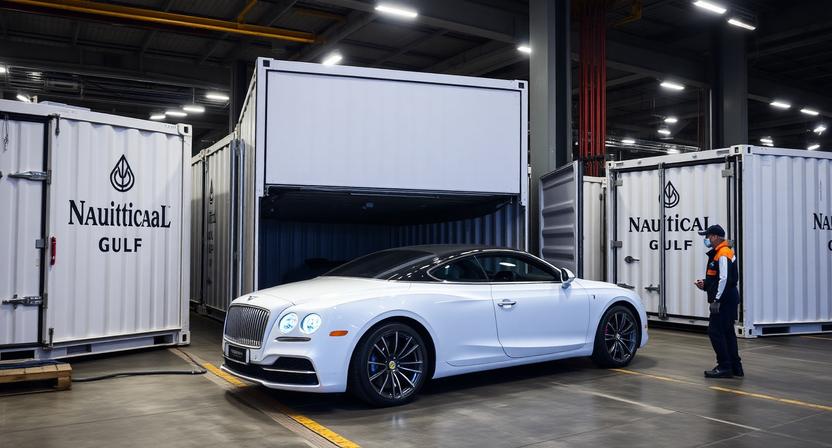
Car Shipping
- RORO (Roll-On/Roll-Off) or container.
- Costs from Dubai: $650–$1,900 depending on destination (e.g., USA, Ghana, UK).
4. Step 3: Documentation and Compliance
Accurate documentation is mandatory for customs clearance and timely delivery.
Essential Documents:
- Commercial Invoice: Declares value, quantity, HS codes.
- Packing List: Details cargo dimensions, weight, and contents.
- Certificate of Origin: Required for preferential duty treatment in some countries.
- Bill of Lading / Air Waybill: Contract of carriage.
- Export/Import Permits: Required for regulated items.
Incoterms determine cost and liability:
- EXW: Buyer pays most of the transport costs.
- FOB: Seller covers goods until port of origin.
- CIF: Seller covers cost, insurance, freight.
- DDP: Seller covers all, including customs duties.
5. Step 4: Booking with a Freight Forwarder
Once cargo is prepared:
- Request a detailed quote including all line items (freight, fuel surcharges, THC, customs fees).
- Compare forwarders on: transparency, service quality, coverage, insurance, and delivery reliability.
- Schedule pickup and delivery dates.
Professional forwarders like Nautical Gulf provide door-to-door services, online tracking, and support for all customs and shipping formalities.
6. Step 5: Handling Customs Clearance
Customs clearance ensures your cargo complies with UAE export laws and destination import regulations.
Export Clearance in Dubai
- Submit invoice, packing list, HS codes, and permits.
- Dubai Customs charges a minimal fee (~AED 150–250) per declaration.
Import Clearance at Destination
- Customs duties vary by product and country.
- VAT or GST may be applied (typically 5–20%).
- Inspection may occur if goods are high-risk or documentation is incomplete.
Avoid delays by ensuring accurate HS codes, proper labeling, and valid permits.
7. Step 6: Transit and Tracking
Once cargo leaves Dubai:
- Air freight: 1–6 days depending on destination.
- Sea freight: 10–45 days depending on route, transshipment points, and port congestion.
- Tracking: Forwarders provide AWB/BOL numbers for real-time monitoring.
- Delays: Can occur due to weather, congestion, or customs inspections.
Reliable partners provide live status updates, alternative routing, and contingency planning.
8. Step 7: Delivery and Final Mile
After cargo arrives at the destination:
- Port pickup: Cargo collected by receiver or agent.
- Door-to-door delivery: Forwarder arranges transportation to final address.
- Inspection: Verify cargo condition before signing delivery note.
Final delivery cost includes last-mile charges, handling, and sometimes storage fees if pickup is delayed.

9. Additional Tips for Cost and Time Optimization
- Consolidate shipments to reduce per-unit cost.
- Ship in off-peak seasons to avoid surcharges.
- Optimize packaging to reduce volumetric weight.
- Purchase insurance for high-value cargo.
- Use reputable forwarders to avoid hidden fees and delays.
10. Nautical Gulf Recommendation
Nautical Gulf offers full-service international freight forwarding from Dubai:
- Air, sea, and land transport
- Car shipping (RORO and container)
- Customs clearance and documentation
- Cargo insurance
- Real-time tracking and support
Trusted by businesses and individuals, Nautical Gulf ensures transparent pricing and reliable delivery.
11. Conclusion
Shipping cargo from Dubai involves multiple steps:
- Preparing and packaging your cargo
- Choosing the right shipping method
- Preparing documentation and complying with regulations
- Booking with a forwarder
- Export and import customs clearance
- Transit and tracking
- Delivery
By understanding the step-by-step process, shippers can minimize costs, avoid delays, and ensure a smooth experience. Partnering with a trusted forwarder like Nautical Gulf guarantees efficiency and peace of mind.
About the Author