Table of Contents
Introduction: Parental control apps for teenagers USA
Parenting a teenager in 2025 feels like running a startup — constant changes, emotional negotiations, and unpredictable tech updates.
From Snapchat streaks to Discord chats, today’s teens live in a world where digital presence equals social identity.
But with rising cases of online bullying, digital burnout, and screen fatigue, parents are left wondering:
“How can I keep my teenager safe without invading their privacy?”
That’s where the new generation of AI-powered parental control apps steps in — not to spy, but to support.
In this educational guide, we’ll explore how these tools help families build trust, balance freedom, and foster emotional intelligence, while maintaining healthy digital habits.

Section 1: Understanding Teen Tech Behavior in the U.S.
A 2025 Pew Research study shows that:
- 97% of U.S. teens own or have access to a smartphone.
- 63% admit they use social media “almost constantly.”
- 72% say they’ve seen harmful or inappropriate content online.
Yet, when parents over-control or monitor secretly, trust erodes.
Experts now recommend collaborative digital boundaries — rules that teens agree to, not resent.
This is where AI-driven parental control apps like TinyPal change the game — they make safety a shared mission.
Section 2: The Shift from Control to Collaboration
Traditional parental control apps focused on blocking and restricting.
The modern approach is empowerment through insight.
AI now allows parents to:
- Understand emotional patterns (e.g., late-night social spikes).
- Get smart alerts for distress signals.
- Discuss online wellbeing through shared dashboards.
- Encourage responsible independence.
“When teens feel heard, they listen better.”
— Dr. Carla Rowe, Digital Psychology Researcher, University of Michigan
TinyPal embodies this philosophy — balancing freedom with accountability.
Section 3: Key Challenges for American Parents
| Challenge | Impact | AI-Driven Solution |
|---|---|---|
| Excessive social media scrolling | Poor sleep, anxiety | TinyPal tracks app fatigue and suggests screen breaks |
| Online peer pressure | Emotional stress | AI flags negative content exposure |
| Secret app usage | Hidden behaviors | Smart detection algorithms spot risky patterns |
| Communication gaps | Teen-parent tension | Weekly AI summaries encourage family discussions |

TinyPal empowers families to shift from digital discipline to digital understanding.
Section 4: What Makes a Good Parental Control App for Teens?
When evaluating options, American parents should look for:
✅ Transparency — teens should know monitoring exists.
✅ Personalization — each teen’s needs differ.
✅ Emotional awareness — not just screen counts, but mood insights.
✅ Privacy-first policy — apps must comply with U.S. regulations (COPPA, FERPA, CCPA).
✅ AI-Driven Adaptability — limits evolve with behavior.
TinyPal’s U.S.-based AI engine ensures that digital wellbeing is both safe and respectful.
Section 5: The Emotional Side of Digital Monitoring
Too much control breeds rebellion.
Too little control leads to risk.
The sweet spot lies in mutual respect.
TinyPal’s interface helps parents initiate open dialogues instead of disciplinary actions.
Through color-coded wellbeing signals, parents can understand:
- When a teen feels anxious or isolated.
- When screen time spikes post-social conflict.
- When device-free downtime might help.
It’s emotional intelligence meets parental care.
Section 6: How TinyPal Works for Teen Families
TinyPal integrates AI, psychology, and real-time analytics to provide actionable insights.
🧭 Core Features for U.S. Families:
- Smart Screen Monitoring: Tracks apps, hours, and categories.
- Emotion AI: Analyzes usage patterns to detect mood shifts.
- Family Goals: Encourages co-created screen schedules.
- Privacy Guardian: No data shared externally — 100% encrypted.
- Digital Detox Nudges: Reminders for breaks, rest, and mindfulness.
“I stopped arguing with my son about his phone. Now, TinyPal helps us understand why he scrolls — and when to pause.”
— Michelle D., Chicago
Section 7: Building Trust Through Transparency
A powerful shift happens when teens are involved in their own digital management.
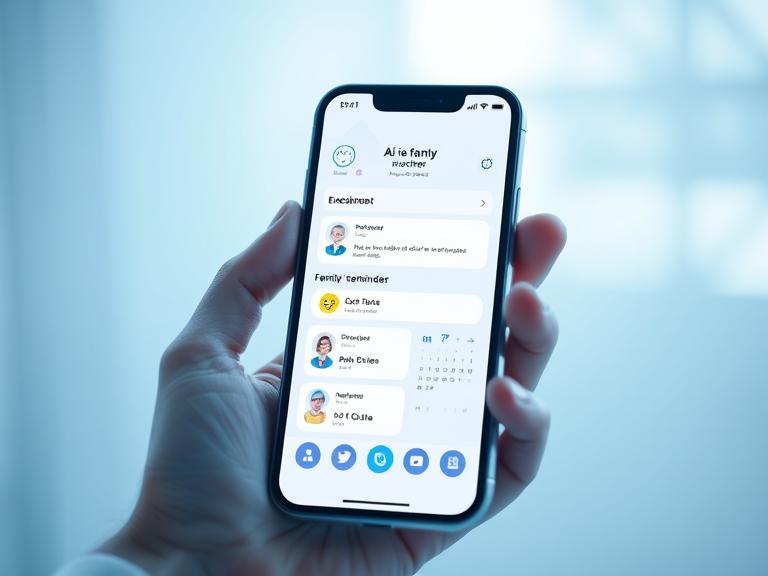
TinyPal’s Family Dashboard promotes open communication.
Teens can view their screen trends and self-correct behaviors, while parents support, not dictate.
This transparency boosts mutual respect — essential for healthy digital parenting.
Section 8: Legal & Privacy Considerations in the U.S.
Under COPPA and CCPA, parental apps must:
- Clearly disclose data usage.
- Store data within the U.S.
- Allow users to delete information anytime.
- Never monetize user insights.
TinyPal’s system is privacy-by-design, ensuring every American family’s data stays protected and transparent.
Section 9: The Davis Family Story (California)
The Davis family faced growing conflict over their 15-year-old’s gaming habits.
After installing TinyPal:
- The teen began tracking his own hours.
- Family screen time dropped 25%.
- The nightly “tech-free hour” became a bonding ritual.
TinyPal didn’t punish — it guided.
By visualizing patterns, it helped everyone build balance naturally.
Section 10: Expert Advice for Parents of Teens
- Involve Teens Early: Ask their input before setting limits.
- Educate, Don’t Enforce: Explain the why behind screen rules.
- Use Data Wisely: Focus on trends, not daily slips.
- Encourage Mindful Use: Promote positive online content creation.
- Celebrate Balance: Acknowledge when teens self-regulate.
Section 11: Future of Teen Parental Control Apps in the USA
In 2025–2027, expect:
- Emotionally adaptive apps that understand moods in real time.
- School-parent integrations for digital wellness programs.
- Voice-based AI coaching for family communication.
TinyPal’s roadmap already includes GenAI empathy models that teach teens how to self-manage screen time emotionally.
Conclusion: Raising Digitally Wise Teenagers
Teenagers don’t need control — they need coaching, clarity, and compassion.
AI parenting tools like TinyPal help families bridge the generation gap with empathy and awareness.
“Smart parenting isn’t about less tech — it’s about better connection.”
With TinyPal, American families can move beyond control toward digital trust and emotional balance.
About the Author